Friday, December 26, 2025

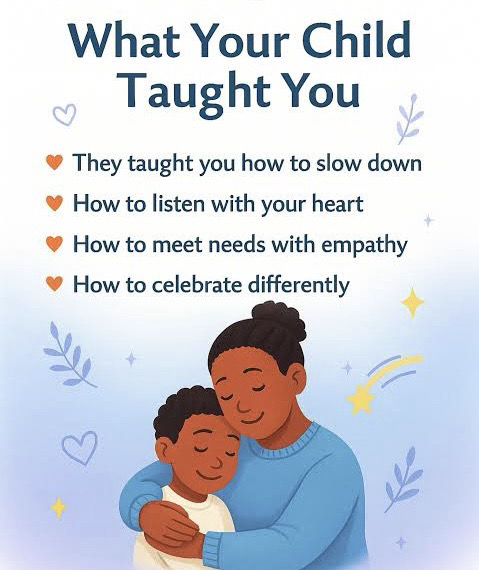
Our Children are our greatest Teachers

One of the greatest truths we must learn to embrace is that our children are not our possessions. They enter this world with their own karma, their own destiny, and a unique purpose that belongs only to them.

A child is not merely a student in a parent’s life, but also a profound teacher.

Our role as parents is not to control or shape our children according to our fears or unfulfilled dreams. Instead, it is to guide them with values, love, and wisdom—while allowing them the freedom to discover their own path.

In today’s world, children are more informed, aware, and connected than ever before. Technology has placed limitless knowledge at their fingertips. They can find answers instantly, question long-held assumptions, and often understand things we ourselves were never exposed to at their age.

This does not diminish us as parents; rather, it prepares them for a fast-changing and complex world. Instead of resisting this shift, we should celebrate it.

We must learn to listen, to accept, and to grow alongside our children. Just as we seek the right to live our lives independently, we must extend that same freedom to them. Their journey is theirs; ours is ours.

When our children offer love and affection, we should receive it as a blessing—with gratitude, not entitlement. Excessive expectations only give rise to disappointment and sorrow. True happiness emerges when we release these expectations and live our own lives with dignity, grace, and independence.

The deeper lesson is simple yet powerful:

When we stop expecting, we begin appreciating.

When we stop demanding, we start receiving.

And when we stop clinging, we finally begin living.

True parenthood is not measured by control, but by the values we leave behind. If we gift our children a strong foundation of love, discipline, and sanskar, they will build lives of strength, purpose, and character on their own.

And when they shine, the reflection of their light will become our greatest reward.

Coach your child to introspect, to look within, and to understand who they truly are.

Help them identify their unique strengths, values and passions, and guide them toward discovering their true Purpose of Life.


Tuesday, July 15, 2025

Are you Stressed?

Stress

What Is Stress?

I’m at BREAKING POINT! I have a meltdown! I had the last straw! I feel under the weather!

Stress is your body’s natural reaction to a demand or pressure—whether physical, mental, or emotional. Everyone experiences stress, and in small doses, it can be motivating. However, prolonged or excessive stress can harm your health and well-being.

Common Causes of Stress (Stressors)

Stressors can be positive (e.g., planning a wedding) or negative (e.g., losing a job). Common triggers include:

·         Work or School: Deadlines, heavy workload, or feeling overwhelmed.

·         Relationships: Conflicts, breakups, or the loss of a loved one.

·         Financial Issues: Debt, unemployment, or financial insecurity.

·         Major Life Changes: Moving, marriage, childbirth, or divorce.

·         Traumatic Experiences: Accidents, violence, or natural disasters.

Using Positive Self-Talk

Reframing negative thoughts can help you feel more in control and reduce stress.

“I can’t do this” to I’ll do the best I can. I’ve got this

“I hate it when this happens”  to  I know how to deal with this – I’ve done it before

“I feel helpless and alone” to I can reach out and get help if I need it

“I can’t believe I screwed up” to I’m human; everyone makes mistakes. I can fix this

Effective Stress Management Techniques

·         Recognize Your Triggers: Keep a journal or note patterns of stress in your life.

·         Mindfulness & Meditation: Deep breathing and guided meditation can soothe anxiety.

·         Progressive Muscle Relaxation: Tense and then relax muscle groups to release tension.

·         Regular Exercise: Increases endorphins, improves mood, and reduces stress hormones.

·         Healthy Diet: Proper nutrition supports brain function and emotional balance.

·         Time Management: Use to-do lists, set priorities, and avoid procrastination.

·         Social Support: Talk to friends, family, or join a support group.

·         Engage in Hobbies: Activities you enjoy can help recharge your mental batteries.

 Tips for Managing Stress Day-to-Day

·         Prioritize Sleep: Aim for 7–9 hours nightly to allow for physical and mental recovery.

·         Limit Stressful Input: Take breaks from the news or social media if they raise anxiety.

·         Set Boundaries: Don’t over commit—learn to say "no" when needed.

·         Seek Professional Help: A therapist or counselor can provide tools and support.

Stress management empowers us to clear the mental and emotional clutter, so that we can pursue our true "Purpose of Life" with clarity, strength, and intention